
Global trade is no longer limited to large corporations. In 2026, small and medium businesses can sell internationally faster than ever — thanks to Artificial Intelligence (AI) and Enterprise Resource Planning (ERP) systems.
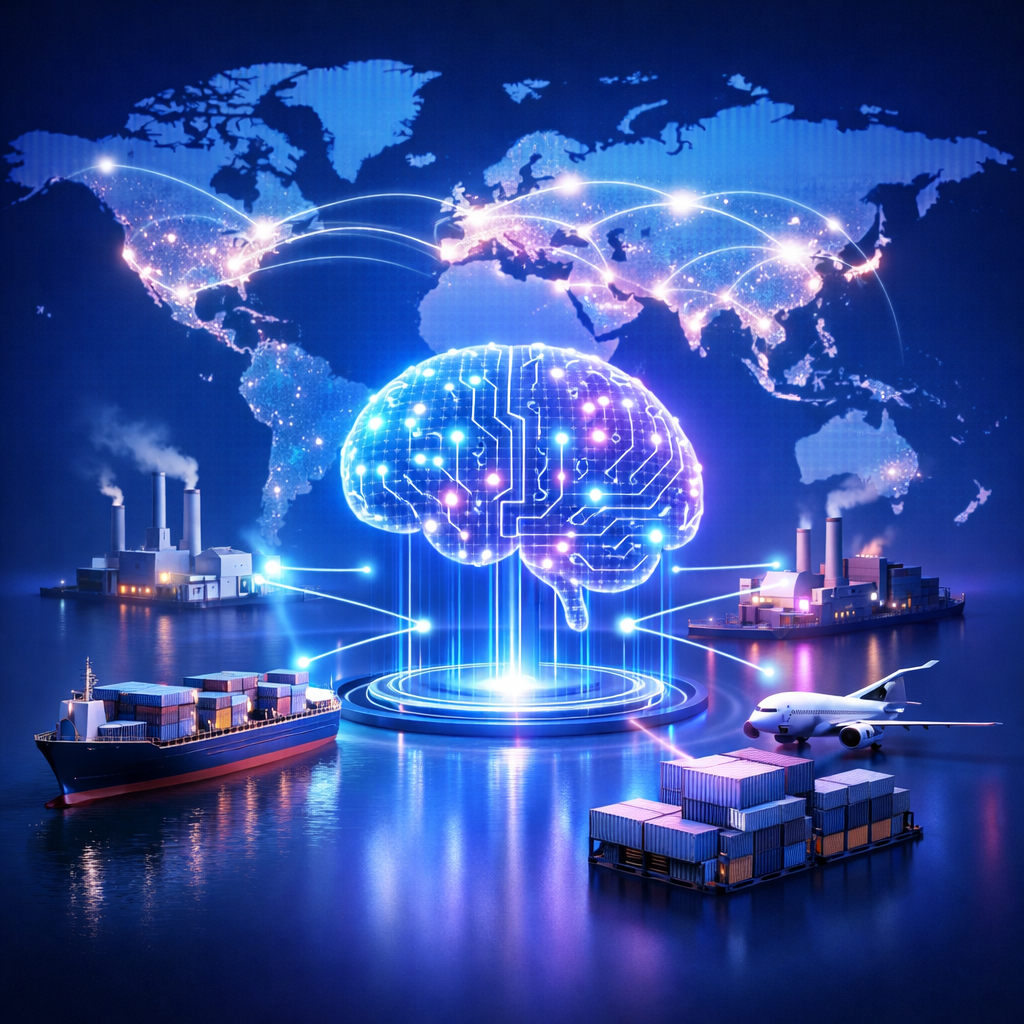
Companies that combine AI insights with ERP automation are building what experts call the “Export Engine” — a smart digital system that manages operations, predicts demand, and connects businesses with global buyers.
In this guide, you’ll learn how AI and ERP work together to help businesses scale exports efficiently.
Why Exporting in 2026 Is Different
Traditional exporting required:
- Manual paperwork
- Market research teams
- Complex logistics coordination
- High operational costs
Today, technology has changed everything.
Modern exporters use:
✅ AI for market intelligence
✅ ERP for operational control
✅ Automation for compliance & logistics
✅ Data analytics for demand forecasting
Result? Faster global expansion with lower risk.
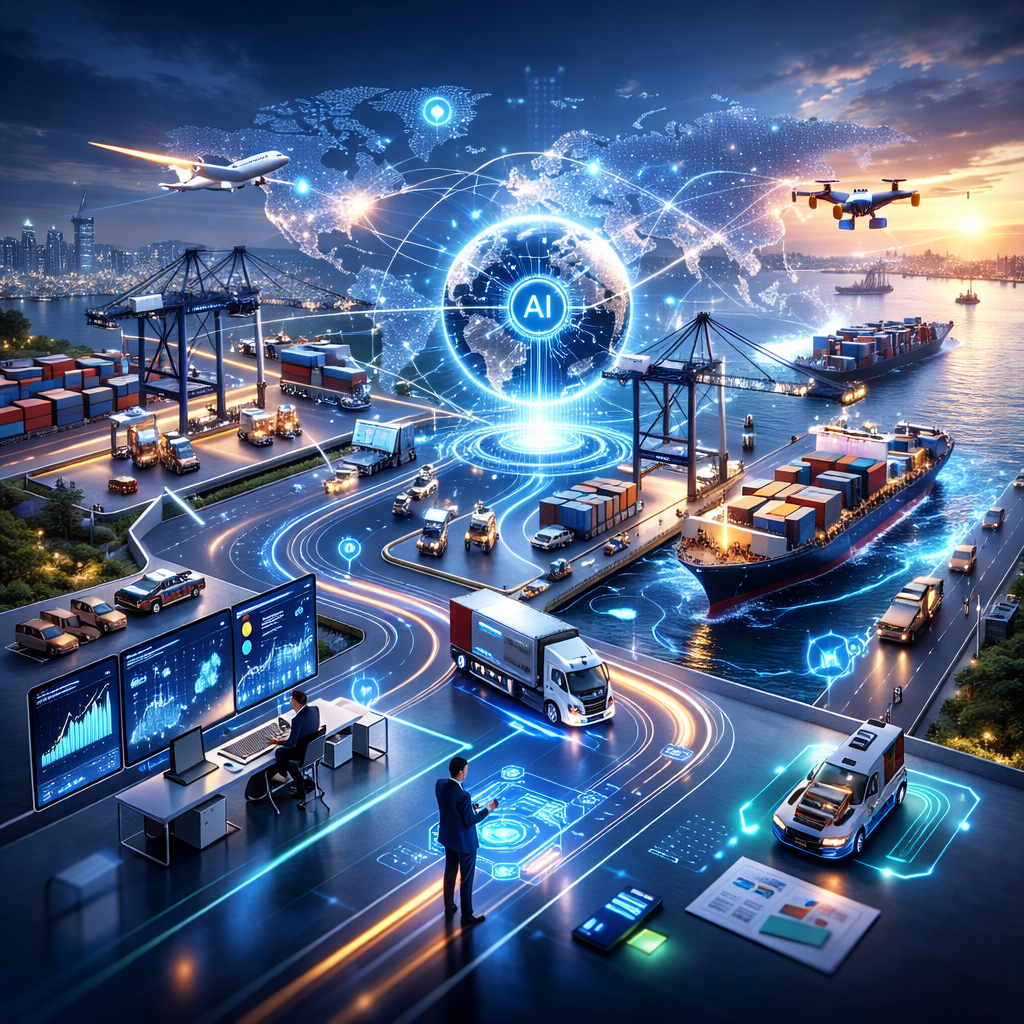
What Is the “Export Engine”?
The Export Engine is a technology-driven export system combining:
- AI analytics
- ERP automation
- Cloud infrastructure
- Digital supply chain management
It creates a centralized workflow where every export activity is connected.
Core Functions:
- Buyer discovery
- Inventory synchronization
- Automated invoicing
- Compliance tracking
- Shipment monitoring
- Financial reporting
Role of AI in International Trade
Artificial Intelligence acts as the decision-making brain of modern exporting.
1. Smart Market Research
AI tools analyze global data to identify:
- High-demand countries
- Pricing trends
- Competitor positioning
- Consumer behavior
Businesses no longer guess markets — AI predicts them.
2. Demand Forecasting
AI predicts future product demand using:
- Historical sales
- Economic trends
- Seasonal patterns
- Online search behavior
This reduces overproduction and stock shortages.
3. Automated Customer Targeting
AI helps exporters find buyers through:
- B2B platform analysis
- Lead scoring
- Automated outreach personalization
Sales teams focus only on high-quality leads.
4. AI-Powered Translation & Localization
AI tools instantly translate:
- Product listings
- Emails
- Marketing campaigns
This removes language barriers in global trade.
Role of ERP Systems in Export Operations
While AI provides intelligence, ERP provides execution.
ERP integrates all business operations into one platform.
Key ERP Modules for Export Businesses
Inventory Management
- Real-time stock tracking
- Multi-warehouse visibility
- Export-ready inventory planning
Finance & Compliance
- Automated tax calculations
- Multi-currency accounting
- Export documentation management
Supply Chain Management
- Vendor coordination
- Shipment tracking
- Logistics optimization
Order Management
- International order processing
- Invoice automation
- Payment tracking
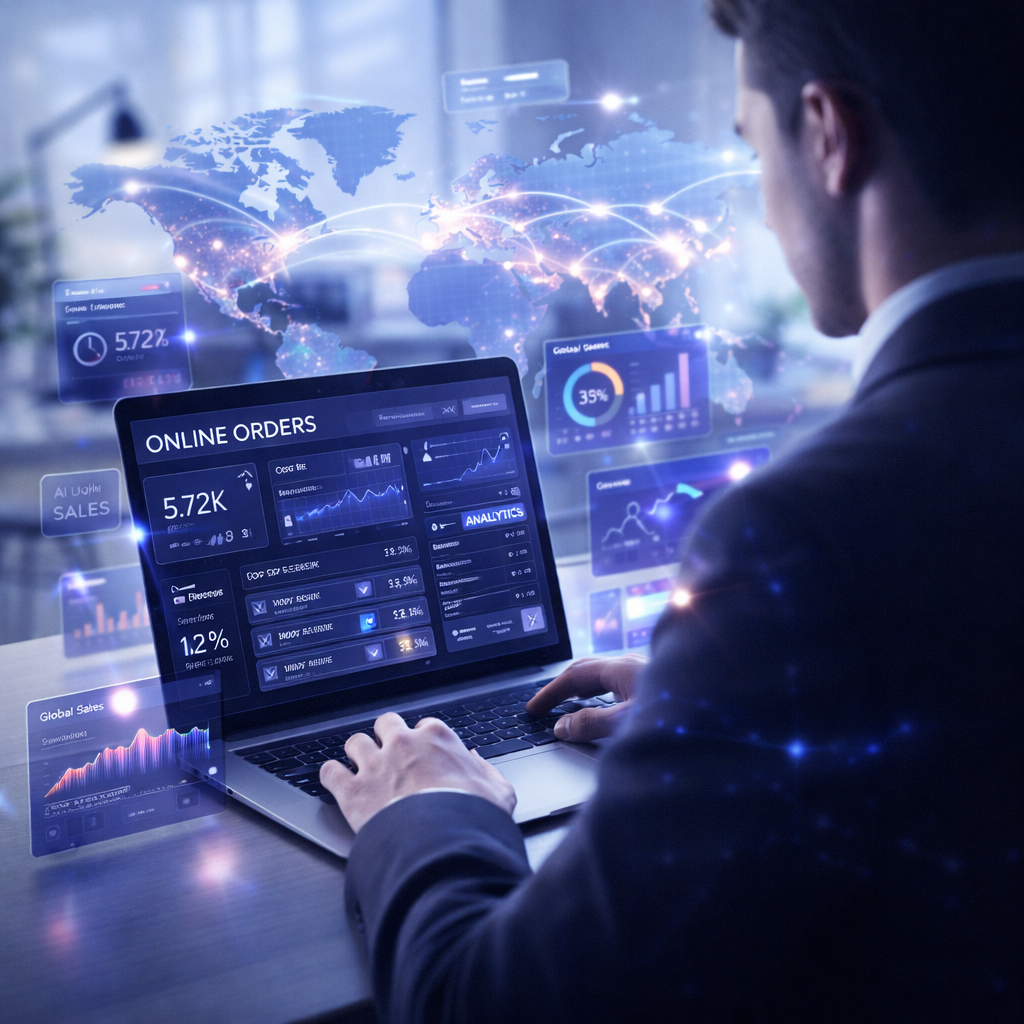
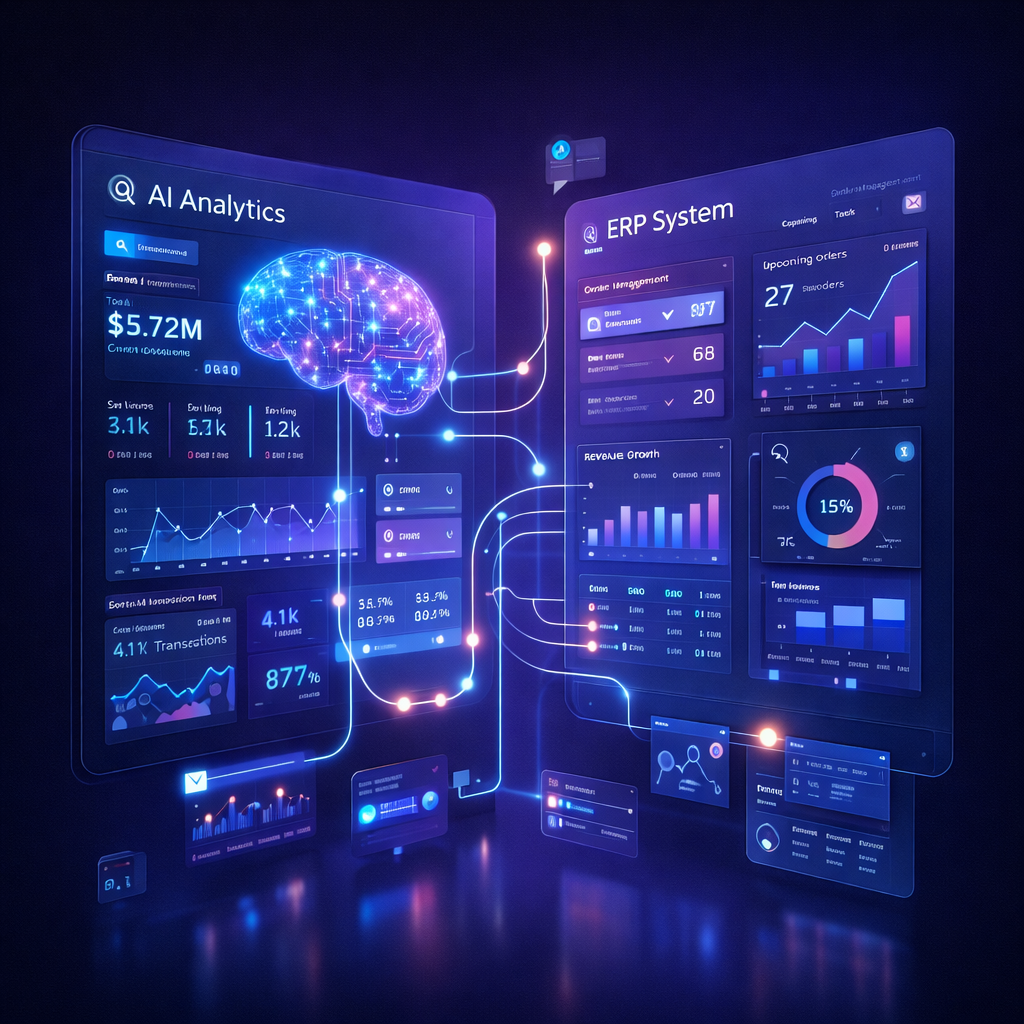
How AI + ERP Work Together
When integrated, AI and ERP create a powerful export ecosystem.
| AI Function | ERP Action |
|---|---|
| Predicts demand | Adjusts inventory automatically |
| Identifies new markets | Creates regional pricing |
| Detects delays | Updates logistics workflows |
| Analyzes sales trends | Generates financial reports |
This combination reduces human error and increases efficiency.
Step-by-Step: Building Your Export Engine
Step 1: Digitize Operations
Move inventory, finance, and orders into an ERP system.
Popular ERP options:
- SAP Business One
- Odoo ERP
- Microsoft Dynamics
- Oracle NetSuite
Step 2: Add AI Tools
Integrate AI platforms for:
- Market research
- Sales automation
- Forecasting
- Customer analytics
Step 3: Automate Export Documentation
Use automation for:
- Commercial invoices
- Packing lists
- Compliance forms
- Shipping labels
Step 4: Connect Global Marketplaces
Integrate ERP with platforms like:
- Alibaba
- Amazon Global Selling
- TradeIndia
- Global Sources
Step 5: Monitor Performance with Analytics
Track:
- Export ROI
- Country-wise revenue
- Delivery performance
- Customer acquisition cost
Benefits of AI-Driven Export Systems
Businesses adopting AI + ERP experience:
✔ 40–60% faster order processing
✔ Reduced operational costs
✔ Accurate demand planning
✔ Faster international expansion
✔ Better compliance management
Challenges Businesses Must Prepare For
Despite advantages, companies should consider:
- Initial setup cost
- Staff training
- Data integration complexity
- Cybersecurity requirements
However, cloud ERP solutions are making adoption easier for SMEs.
Export Trends to Watch in 2026
1. AI Trade Assistants
Automated agents handling buyer negotiations.
2. Predictive Supply Chains
AI predicting disruptions before they happen.
3. Smart Compliance Automation
Real-time regulatory updates across countries.
4. Hyper-Personalized Global Marketing
AI creating localized campaigns automatically.
Real Example: SME Export Transformation
A mid-sized textile company implemented AI forecasting with ERP inventory management.
Results within 12 months:
- Export sales increased by 70%
- Stock wastage reduced by 35%
- New markets opened in Europe & UAE
Technology turned operations into a scalable export engine.
Final Thoughts
In 2026, exporting is no longer about size — it’s about systems.
Businesses that combine AI intelligence with ERP automation build a powerful Export Engine capable of competing globally.
The future belongs to companies that automate, analyze, and adapt quickly.
If your business wants to expand internationally, the question is no longer “Should we use AI?” but “How fast can we implement it?”
FAQs (SEO Boost Section)
Is ERP necessary for exporting?
Yes. ERP centralizes operations, ensuring accuracy in inventory, finance, and compliance.
Can small businesses use AI for exports?
Absolutely. Many AI tools are affordable and cloud-based.
What industries benefit most?
Manufacturing, textiles, electronics, FMCG, pharmaceuticals, and digital products.
Call to Action
Ready to build your Export Engine?
Start by integrating AI tools with an ERP system and transform your business into a global exporter in 2026.