
What once felt “good enough” — disconnected systems, manual workflows, legacy tools — has quietly become the biggest limiter to scale. Not strategy. Not marketing. Not people.
Infrastructure.
The New Meaning of “Glass Ceiling” in Business
Traditionally, a glass ceiling meant external barriers — market size, funding, or competition.
In 2026, the glass ceiling is internal.
- Systems that don’t talk to each other
- Data that arrives too late to act on
- Platforms that break under growth
- Teams slowed down by tools instead of enabled by them
Businesses try to scale on top of weak foundations, and eventually, everything slows.
Growth doesn’t fail loudly.
It fails quietly — through delays, inefficiencies, and rising costs.
Why Modern Infrastructure Matters More Than Ever in 2026
The business environment in 2026 is defined by:
- AI-powered competitors
- Real-time customer expectations
- Multi-channel digital journeys
- Pressure to do more with fewer resources
In this landscape, infrastructure is no longer a backend concern.
It is a growth strategy.
Modern infrastructure allows businesses to:
- Scale without increasing chaos
- Make faster, data-backed decisions
- Deliver consistent customer experiences
- Adapt quickly to market changes
Without it, every new initiative becomes harder, slower, and more expensive.
Signs Your Infrastructure Is Limiting Your Growth
Many businesses don’t realize they’ve hit an infrastructure ceiling. Some common signals include:
- Marketing generates leads, but sales struggles to convert them
- Leadership waits days or weeks for accurate reports
- Teams rely on manual workarounds and spreadsheets
- Systems crash or slow down during peak demand
- Adding new tools creates more complexity, not clarity
If growth feels painful instead of predictable, infrastructure is often the reason.
Modern Infrastructure Is Not Just “Cloud” or “New Tools”
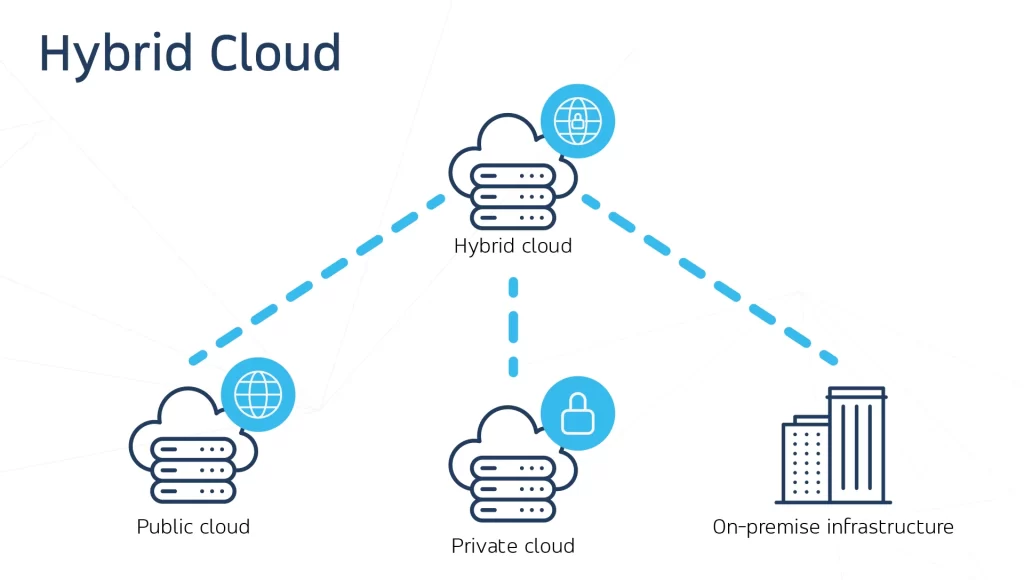
A common misconception is that modern infrastructure simply means moving to the cloud or buying the latest software.
In reality, modern infrastructure is about how everything works together.
It includes:
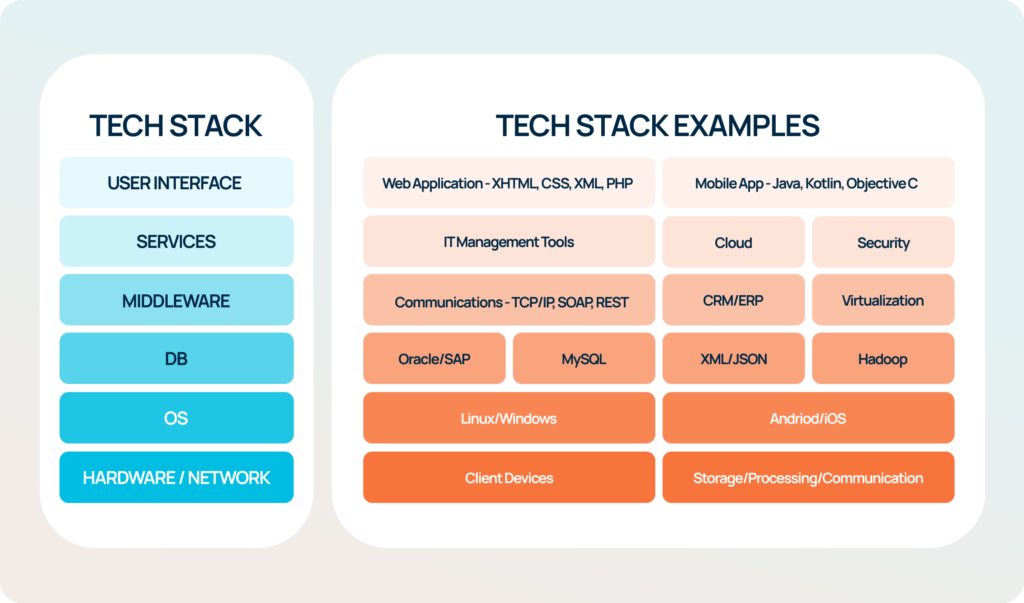
- Scalable web and application architecture
- Integrated data and analytics layers
- Secure and flexible systems
- Automation-ready workflows
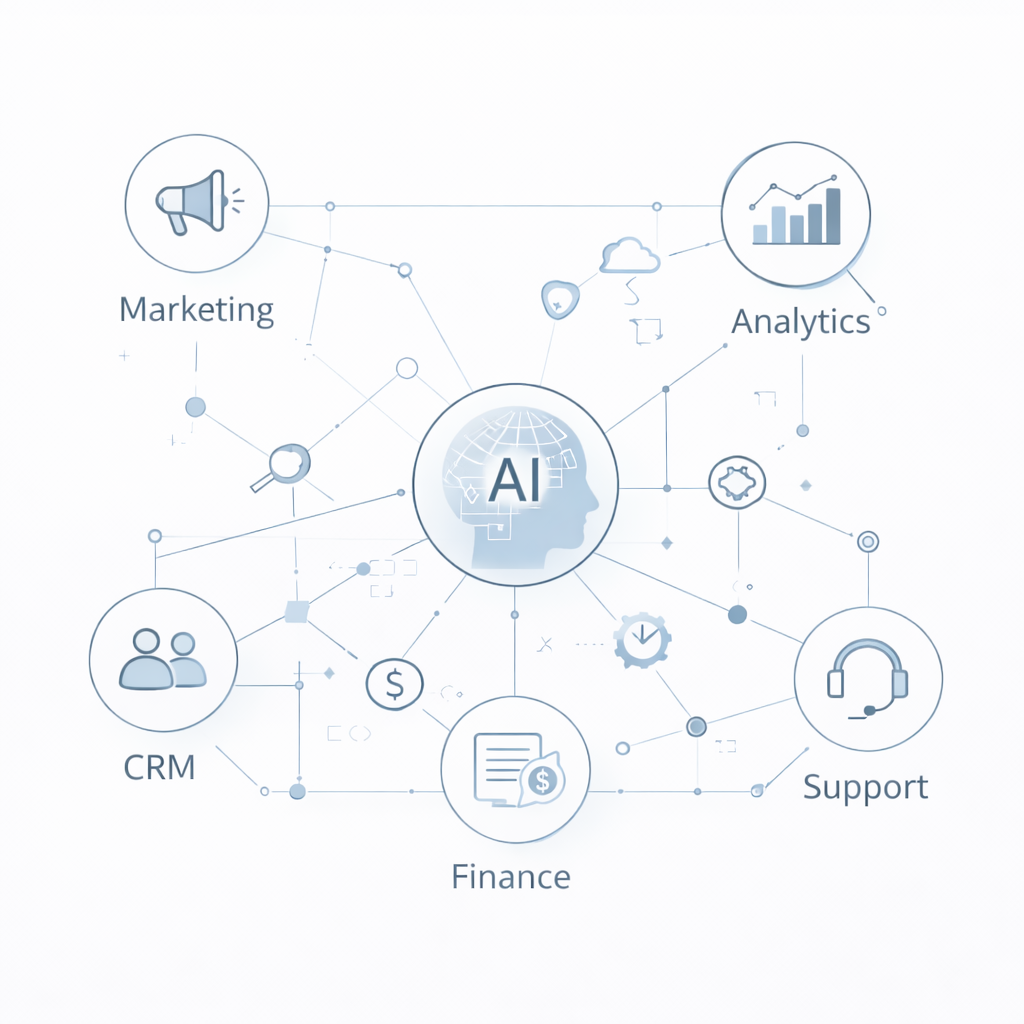
- Seamless connections between marketing, sales, operations, and support
When infrastructure is designed correctly, growth feels controlled, not chaotic.
The Businesses That Will Win in 2026
High-performing businesses in 2026 share a few clear traits:
- They invest early in scalable foundations
- They treat infrastructure as a leadership decision, not an IT task
- They design systems for visibility, speed, and adaptability
- They remove friction before scaling effort
These companies don’t just grow faster — they grow smarter.
Their infrastructure doesn’t just support the business.
It drives it.

How Pulse Analytix Helps Businesses Break the Infrastructure Ceiling
At Pulse Analytix, we help businesses scale by building future-ready digital infrastructure designed for real-world growth.
Our focus is simple:
Remove the limitations that silently cap your business potential.
What We Do
Business-First Infrastructure Strategy
We start with how your business operates, not just the tools you use.
Scalable Web & Application Development
We build platforms that perform reliably as traffic, users, and data grow.
System & Data Integration
We connect websites, CRMs, analytics, marketing platforms, and internal tools into one intelligent ecosystem.
AI & Analytics Readiness
We design infrastructure that supports real-time insights, automation, and AI-driven decision-making.
Security & Performance at Scale
Growth should never compromise speed, stability, or security.
The Result: Infrastructure That Enables Growth, Not Limits It
Businesses that partner with Pulse Analytix experience:
- Faster execution of growth initiatives
- Clear visibility across operations
- Reduced operational friction
- Improved customer experience
- Infrastructure that scales with confidence
Most importantly, they gain freedom — the freedom to grow without fear of systems breaking under pressure.
Final Thought
In 2026, the question is no longer:
The real question is:
Modern infrastructure is no longer optional.
It is the only glass ceiling left.
Break it — and growth becomes a choice, not a struggle.
Ready to Scale Without Limits?
Pulse Analytix helps forward-thinking businesses design modern, scalable infrastructure built for the future.
Let’s build systems that grow with you.
Frequently Asked Questions (FAQ)
1. What does modern infrastructure mean for businesses in 2026?
Modern infrastructure refers to scalable, secure, and integrated digital systems that support growth, real-time data access, automation, and seamless customer experiences across all business functions.
2. Why is infrastructure called the “glass ceiling” for business growth?
Because weak or outdated infrastructure silently limits scalability. Even with strong teams and strategies, businesses struggle to grow when systems can’t handle increased demand, data, or complexity.
3. How do I know if my business infrastructure is limiting growth?
Common signs include slow decision-making, disconnected systems, frequent manual work, poor data visibility, system crashes during growth phases, and rising operational costs.
4. Is modern infrastructure only important for large enterprises?
No. Small and mid-sized businesses benefit the most because modern infrastructure allows them to scale efficiently without increasing overhead or operational chaos.
5. Does modern infrastructure only mean moving to the cloud?
No. Cloud is just one part. Modern infrastructure also includes system integration, scalable applications, data analytics, security, automation readiness, and aligned workflows.
6. How does modern infrastructure improve customer experience?
It enables faster response times, consistent communication, personalized journeys, and reliable digital touchpoints—leading to higher satisfaction and retention.
7. Can existing systems be upgraded, or do they need replacement?
In many cases, existing systems can be optimized and integrated rather than replaced. The focus is on improving connectivity, performance, and scalability.
8. How does modern infrastructure support AI and data analytics?
AI and analytics require clean, connected, real-time data. Modern infrastructure provides the foundation needed to deploy automation, predictive insights, and smarter decision-making tools.
9. How does Pulse Analytix help businesses modernize infrastructure?
Pulse Analytix designs business-first digital infrastructure by building scalable platforms, integrating systems, enabling analytics, and ensuring security and performance at scale.
10. What is the first step to breaking the infrastructure ceiling?
The first step is an infrastructure assessment to identify bottlenecks, disconnects, and scalability risks—followed by a clear roadmap aligned with business goals.