
Introduction: The End of Static Branding
For decades, a logo was considered the most important element of a brand’s identity. Today, that is no longer enough. In a world dominated by short-form video, AI content, and social media storytelling, brands must do more than look good — they must feel alive.
This is where the AI-animated brand mascot steps in.
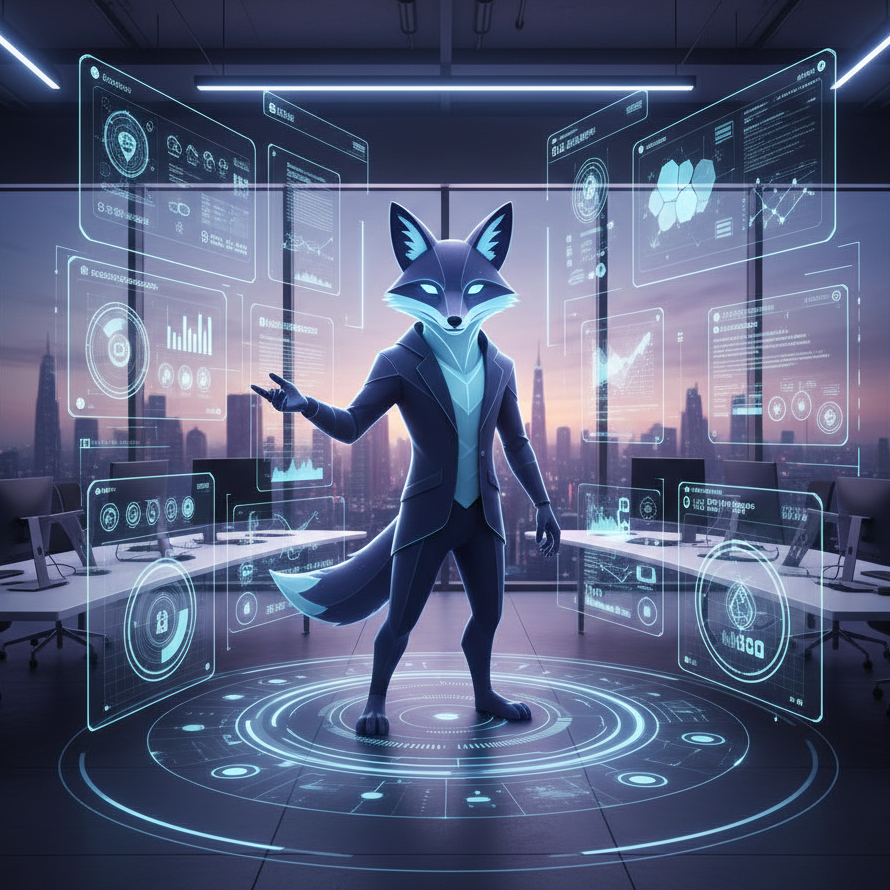
By 2026, businesses are rapidly shifting from static logos to intelligent, animated brand characters that speak, react, and build emotional relationships with their audience.
What Is an AI-Animated Brand Mascot?
An AI-animated brand mascot is a digital character created using artificial intelligence that represents a brand’s personality. Unlike a traditional logo, a mascot can:
- Move and speak
- Appear in videos, ads, and websites
- Interact with customers
- Deliver brand messages consistently
It becomes the face, voice, and personality of the brand — something a flat logo can never achieve.
Why Traditional Logos Are Being Replaced
Logos were designed for a print-based world. But modern consumers live inside video platforms, mobile screens, and immersive digital experiences.
The problems with traditional logos:
- They are static and emotionally cold
- They do not communicate stories
- They struggle to hold attention in fast-scroll environments
- They fail to build long-term brand relationships
Meanwhile, animated mascots deliver emotion, movement, storytelling, and memorability — the exact ingredients required for digital success.
The 5 Biggest Benefits of AI Brand Mascots
1. Strong Emotional Connection
People connect with faces and personalities, not symbols. Mascots create trust and familiarity.
2. Higher Brand Recall
Customers remember characters far more easily than abstract logos.
3. Massive Engagement Boost
AI mascots dramatically improve performance on:
- Reels
- YouTube Shorts
- Ads
- Website hero sections
4. Increased Conversions
Mascots guide users, explain offers, and reduce customer hesitation.
5. Future-Ready Branding
Brands using AI mascots appear innovative, modern, and ahead of competitors.
AI-Animated Mascot vs Traditional Logo
| Feature | Traditional Logo | AI-Animated Mascot |
|---|---|---|
| Engagement | Low | Very High |
| Emotional Impact | Minimal | Strong |
| Adaptability | Limited | Dynamic & flexible |
| Storytelling | None | Built-in |
| Conversion Power | Weak | Strong |
How AI Is Powering Brand Mascots in 2026
AI technology now enables mascots to:
- Generate videos instantly
- Speak in natural human voice
- Respond in real time to users
- Personalize communication
- Automate brand content production
These capabilities turn mascots into 24/7 brand ambassadors.
Use Cases of AI Brand Mascots
Businesses now use AI mascots for:
- Website engagement & onboarding
- Social media marketing
- Advertising campaigns
- Customer support
- Product launches
- Brand education
The mascot becomes the central communication system of the brand.
How AI Mascots Increase Sales & Trust
Trust is built when customers feel understood. AI mascots:
- Communicate clearly
- Reduce confusion
- Create familiarity
- Humanize the brand experience
As trust grows, conversions follow naturally.
How Pulse Analytix Builds Powerful AI Brand Mascots
At Pulse Analytix, we design AI-animated mascots that are:
- Strategically aligned with your brand
- Optimized for marketing performance
- Integrated across websites, ads, and content
- Built to scale with your business growth
We don’t just create characters — we build conversion engines.
The Future of Branding After 2026
Branding will move toward:
- AI avatars
- Virtual brand influencers
- Hyper-personalized brand identities
- Fully interactive customer experiences
The brands that adopt this shift early will dominate attention and trust.
Conclusion: Brands That Adapt Will Win
The logo era is ending.
The AI-animated brand mascot era has begun.
Brands that evolve will connect deeper, convert faster, and grow stronger.
Those that don’t will slowly disappear into the noise.
The future of branding is alive.